
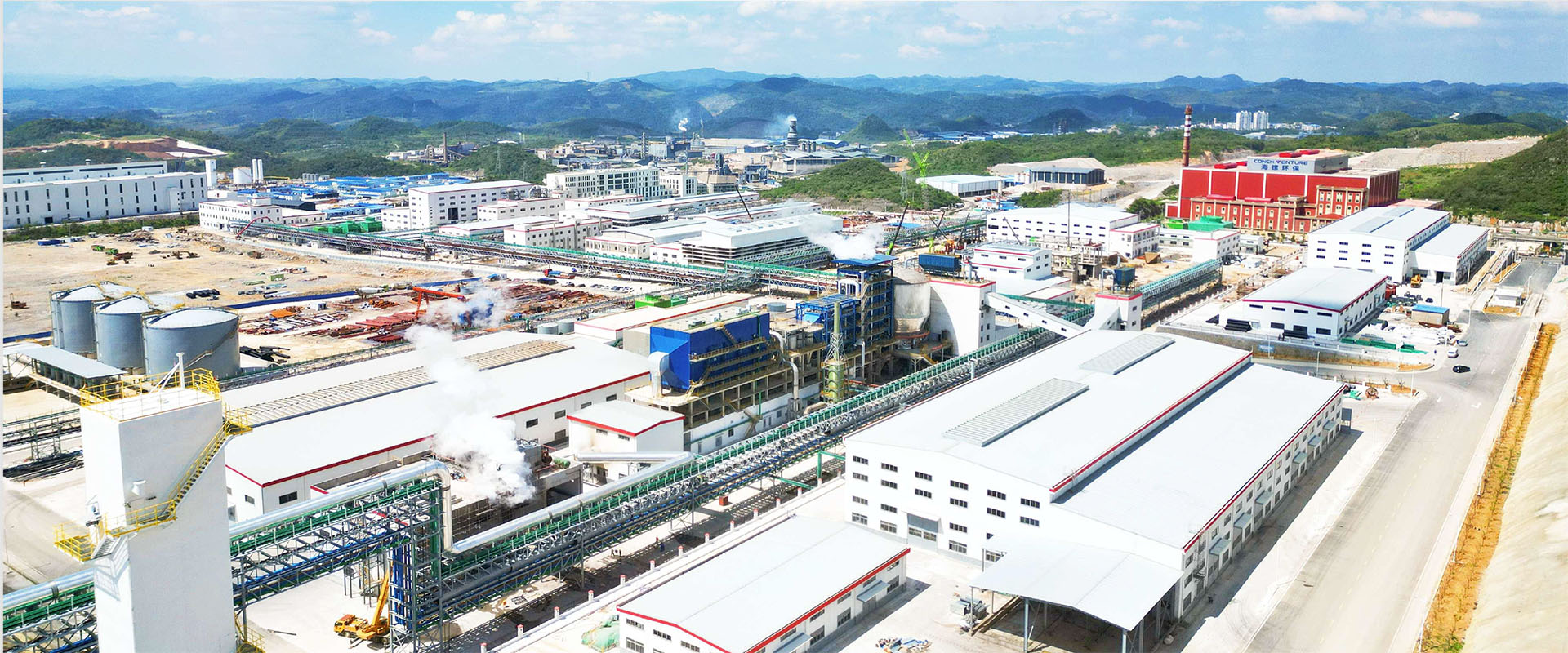
First of all, it should be understood that steel structures cover a wide range of categories. Generally, they are classified into architectural steel structures, steel structures for pipelines and pressure vessels, steel structures for power transmission, and other steel structures. The steel structures we commonly refer to are architectural ones, such as industrial workshops, civil and public steel structure buildings, grid or truss structures for stadiums and venues, etc.
In fact, there is no such term as "heavy steel" in codes and technical documents. To distinguish it from light-weight building steel structures, it may be more appropriate to call ordinary steel structures "general steel structures". Because general steel structures cover a wide scope and can include various types of steel structures regardless of load magnitude, even covering many contents of light steel structures. The technical specification for light-weight building steel structures only stipulates more specific provisions based on its "lightweight" characteristics, and is limited to single-story portal frame structures.
There is no unified standard for judging whether a structure is heavy steel or light steel structure. Even many experienced designers or project managers often cannot fully explain it clearly. However, we can make a comprehensive judgment based on the following data:
The classification of light steel and heavy steel is relative, with no clear boundary. Generally, we refer to steel members with H-section steel column plate thickness of 25 mm or more as heavy steel structures.
Light steel structures are mainly used in load-bearing buildings that do not bear heavy loads. They form a low-rise and multi-story prefabricated steel structure building system, supported by light H-section steel (welded or rolled; variable or uniform section) as portal steel frames, C-section and Z-section cold-formed thin-walled steel as purlins and wall beams, profiled steel sheets or lightweight sandwich panels as roof and wall enclosures, assembled with high-strength bolts, ordinary bolts, self-tapping screws and sealing materials.
In addition, there are other reference values, such as cost per square meter, maximum member weight, maximum span, structural form, eave height, etc. These can provide empirical data for judging whether a workshop is heavy steel or light steel. Of course, many modern buildings adopt both light and heavy steel structures.
However, the following can definitely be classified as heavy steel structures: petrochemical workshop facilities, power plant workshops, long-span stadiums, exhibition centers, and high-rise steel structures.
Through the above introduction, you will have a clearer understanding of the classification of steel structures. How to apply them in practice depends on your specific project conditions.
 Multi-high-rise Steel Structure
Industrial Plant
Steel Structure Bridge
Energy and Chemical Industry
Space Truss Pipe Truss
BIM application
prefabricated building
steel structure workshop
steel structure bridge
floor slab system
wall panel system
Multi-high-rise Steel Structure
Industrial Plant
Steel Structure Bridge
Energy and Chemical Industry
Space Truss Pipe Truss
BIM application
prefabricated building
steel structure workshop
steel structure bridge
floor slab system
wall panel system
 Scan the QR code to follow us
 Official WeChat
